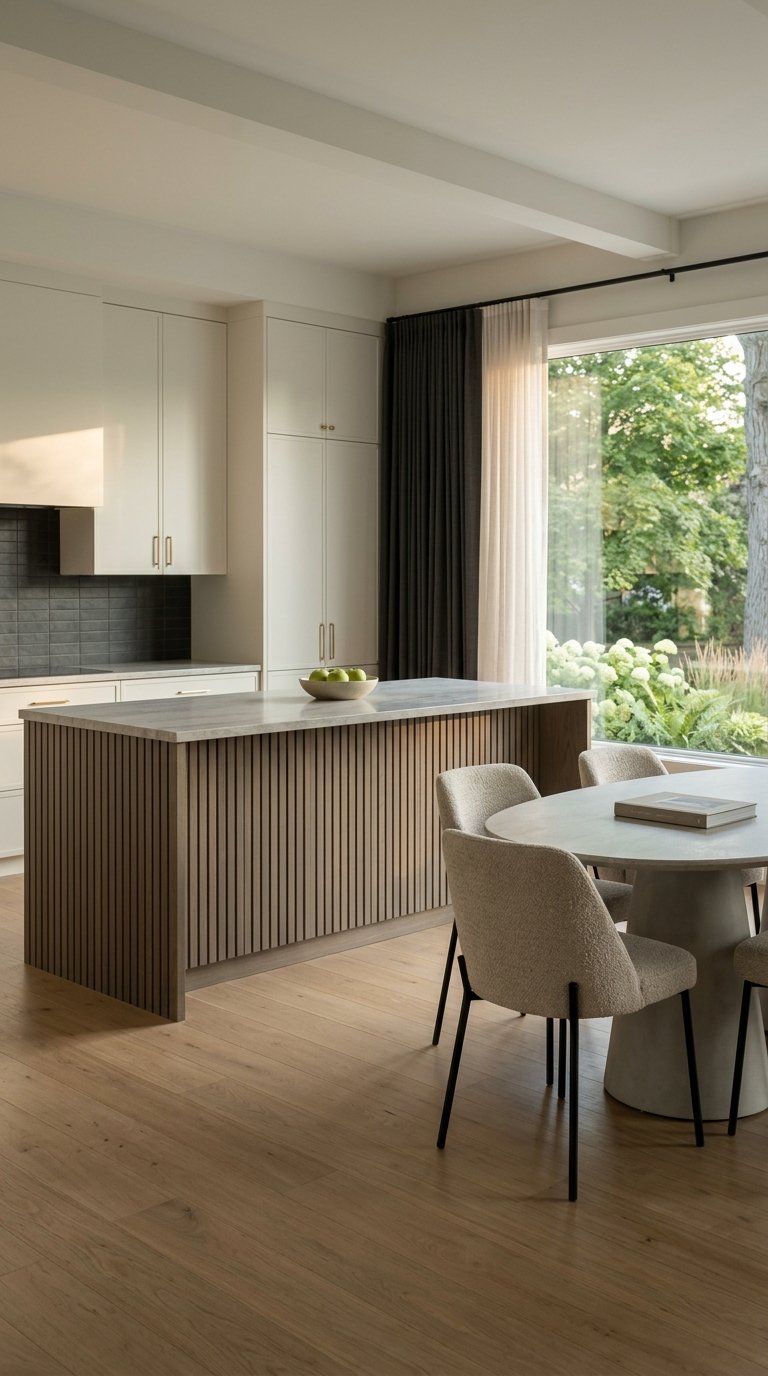
Brighton Or Nearby Suburbs: How To Choose Your Next Move
April 2, 2026
April 2, 2026
Trying to choose between Brighton and nearby suburbs can feel like comparing apples to oranges. You may want more outdoor space, a smoother commute, a certain housing budget, or clearer school district options, but not every community delivers the same mix. The good news is that each market has a distinct profile, and once you know the trade-offs, the decision gets much easier. Let’s dive in.
Before you compare price points or commute times, it helps to decide what matters most in your day-to-day life. For many buyers, the real question is not which city is best overall, but which one best fits how you want to live.
If you want more natural space and a quieter suburban-rural feel, Brighton often stands out. If you want stronger central metro access, Troy, Farmington Hills, and Warren each bring a different version of that convenience. Your next move should line up with your routine, budget, and long-term plans.
One of the most important things to understand is that Brighton city and Brighton Township are not the same market. If you only look at one set of numbers, you can miss what buyers are actually comparing when they say they want to live in Brighton.
According to the U.S. Census QuickFacts for Brighton city, the median owner-occupied home value is $339,000. In Brighton Township, the median owner-occupied home value rises to $422,400, with 95.0% of homes owner-occupied.
That difference matters. The city gives you a lower-priced core, while the township is usually the better proxy for Brighton’s broader residential market. If you are comparing Brighton with Troy, Farmington Hills, or Warren, you will usually get a more accurate picture by looking at township data alongside city data.
Price is rarely the only factor, but it often shapes everything else. Based on census median owner-occupied values, the markets break into fairly clear tiers.
| Area | Median Owner-Occupied Home Value | Owner-Occupied Rate |
|---|---|---|
| Brighton Township | $422,400 | 95.0% |
| Troy | $420,300 | 73.3% |
| Farmington Hills | $354,500 | 64.7% |
| Brighton city | $339,000 | 66.6% |
| Warren | $193,400 | 71.1% |
On price alone, Brighton Township and Troy sit at the top of this group. Farmington Hills lands in the middle, Brighton city offers a lower-priced entry point than the township, and Warren is the affordability outlier in this comparison.
It is also worth remembering that census medians are not the same as current listing prices. They are best used here as a relative guide to positioning, not as a substitute for live market analysis.
If lifestyle is your main driver, Brighton has a strong case. Brighton Township highlights 25 named lakes and the crossing of I-96 and US-23, which gives the area a unique mix of open-space appeal and regional accessibility.
The recreation profile is a major differentiator. Brighton Recreation Area spans 4,947 acres, includes nine lakes, and offers a 35-mile trail system. Island Lake adds another 4,000 acres, plus Huron River paddling and a paved trail connection, while Brighton Township’s Veterans Park includes an inclusive playground and dog run.
For buyers who picture weekends on trails, near lakes, or in larger park spaces, Brighton offers a lifestyle that feels different from more built-out inner-ring suburbs. That does not mean it is automatically the best choice, but it does mean the value equation is about more than square footage alone.
Troy is often a strong fit if you want to stay more plugged into Oakland County and the broader metro area. The city points to the Troy Transit Center and notes that Troy is served by SMART regional public transportation.
From a housing standpoint, Troy sits near Brighton Township at the top of this group in median owner-occupied value, at $420,300 according to Census data. Its zoning also includes a housing-diversity amendment intended to expand the range of housing types available in the city.
If your priority is a higher-value market with strong regional access and a large single-district school footprint, Troy is one of the clearest alternatives to Brighton. It offers a different feel, but it competes closely on price.
Farmington Hills is often the balanced option in this comparison. It combines a broad housing mix, major recreation infrastructure, and strong road connectivity.
The city says it maintains a 300-mile road network, the largest municipal road network in Oakland County, with county and state roads tied directly into the city system. Its median owner-occupied home value is $354,500, which places it between the top-tier pricing of Brighton Township and Troy and the lower pricing of Warren.
On the lifestyle side, Farmington Hills reports 600 acres of parks and 90 athletic fields, along with facilities such as The Hawk, the Costick Activities Center, the golf club, and the ice arena. If you want a market that feels well-rounded rather than specialized, Farmington Hills deserves a close look.
If budget is leading your search, Warren is the clear outlier in this group. The median owner-occupied home value in Warren is $193,400, far below Brighton Township, Troy, and Farmington Hills.
That affordability does not mean Warren lacks amenities. The city’s master plan lists 27 parks totaling almost 350 acres and four indoor recreation centers, along with facilities such as the Anne Fracassa Memorial Dog Park. Planning materials also show a housing stock that leans heavily toward single-family homes, while still including a meaningful rental and apartment segment.
For buyers who want to control purchase costs and stay in a more established city setting, Warren can be a practical choice. It serves a different buyer need than Brighton, but for the right household, that difference may be exactly the point.
Commute patterns often settle the debate faster than aesthetics do. If you expect frequent travel in multiple directions, Brighton’s freeway setup is a major advantage.
Brighton Township notes that I-96 and US-23 cross there, and Brighton Area Schools says Ann Arbor is about 30 minutes south. That makes Brighton the most edge-of-metro, highway-oriented option in this comparison.
By contrast, Troy offers transit and central Oakland County positioning. Farmington Hills emphasizes its extensive road network, and Warren planning documents repeatedly orient around I-696 and key connector roads. If your work, family, or lifestyle pulls you deeper into metro Detroit every day, those differences should weigh heavily in your decision.
If schools are part of your move, district structure is one of the biggest practical differences between these markets. The key is to stay factual and verify by address before you make assumptions.
In Brighton Township, the township’s school-district quick links include Brighton Area Schools, Huron Valley Schools, Hartland Consolidated Schools, Howell Public School District, and Livingston ESA. Brighton Area Schools says it serves about 5,870 students across eight schools with a 19:1 student-teacher ratio.
Troy School District says it includes 12 elementary schools, four middle schools, four high schools, and a preschool, giving it the deepest single-district footprint in this comparison. Farmington Hills is served by multiple districts as well, with the vast majority in Farmington Public Schools, so address-level confirmation matters there too.
For buyers who want one large, unified district footprint, Troy may feel simpler. For buyers open to multiple district options, Brighton Township and Farmington Hills can offer flexibility, but that flexibility comes with the need for careful address verification.
If you are still torn, use this framework to narrow your choice:
In short, Brighton is often the outdoor-lifestyle choice. Troy is the high-price, central-access option. Farmington Hills is the middle-ground market, and Warren is the budget-first option.
The best move is not always the one with the lowest number or the biggest lot. It is the one that fits how you actually live, commute, and spend your time.
That is where local guidance matters. When you compare Brighton with nearby suburbs, small differences in district boundaries, access patterns, and housing mix can have a big impact on your experience after closing.
If you want help comparing Brighton to Troy, Farmington Hills, or Warren based on your budget and lifestyle goals, connect with Michael Stroud & Nikki Snyder. Their team brings data-driven market guidance and hands-on support to help you make your next move with confidence.
Stay up to date on the latest real estate trends.

We pride ourselves in providing personalized solutions that bring our clients closer to their dream properties and enhance their long-term wealth.