Trying to choose between a high-rise near Campus Martius and a tree-lined block in a classic Detroit neighborhood? You are not alone. The right call comes down to how you balance rent, space, commute, and lifestyle. In this guide, you will see clear pros and cons, current rent context, and a simple decision framework to help you land in the best spot for your budget and day-to-day. Let’s dive in.
The quick takeaway
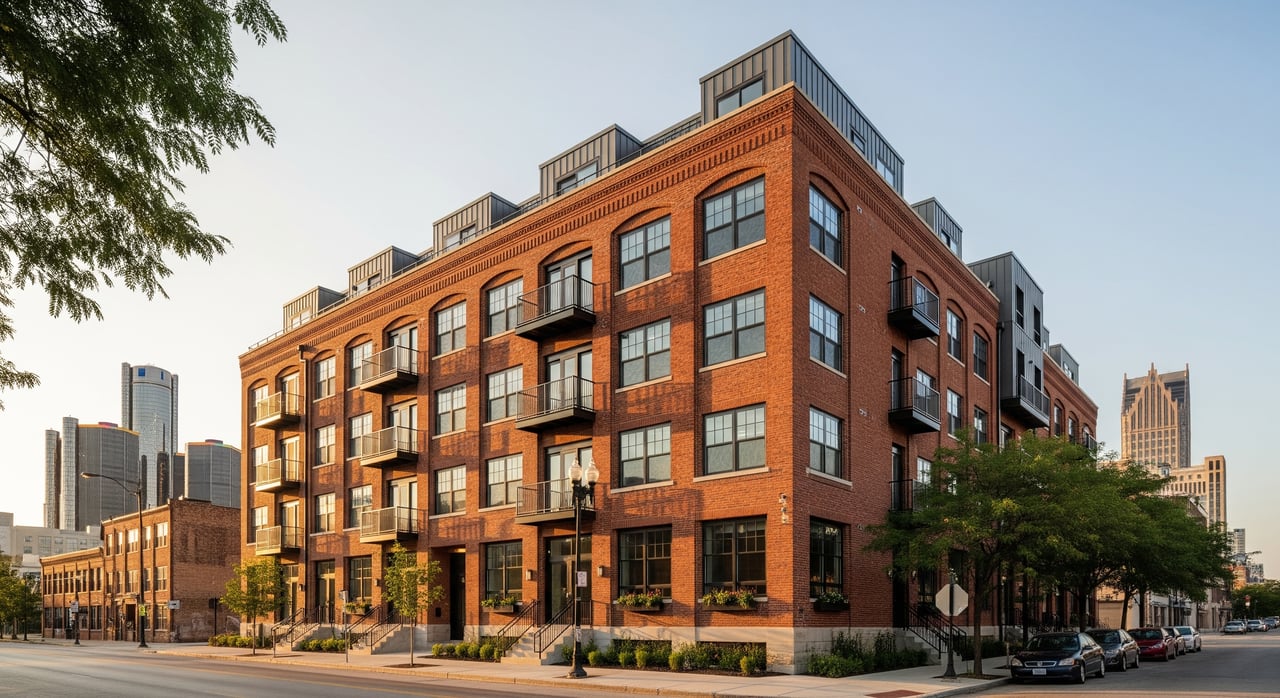
- Choose Downtown or Midtown if you value walkability, short commutes to central offices, and building amenities. Expect smaller floor plans and higher per-square-foot pricing.
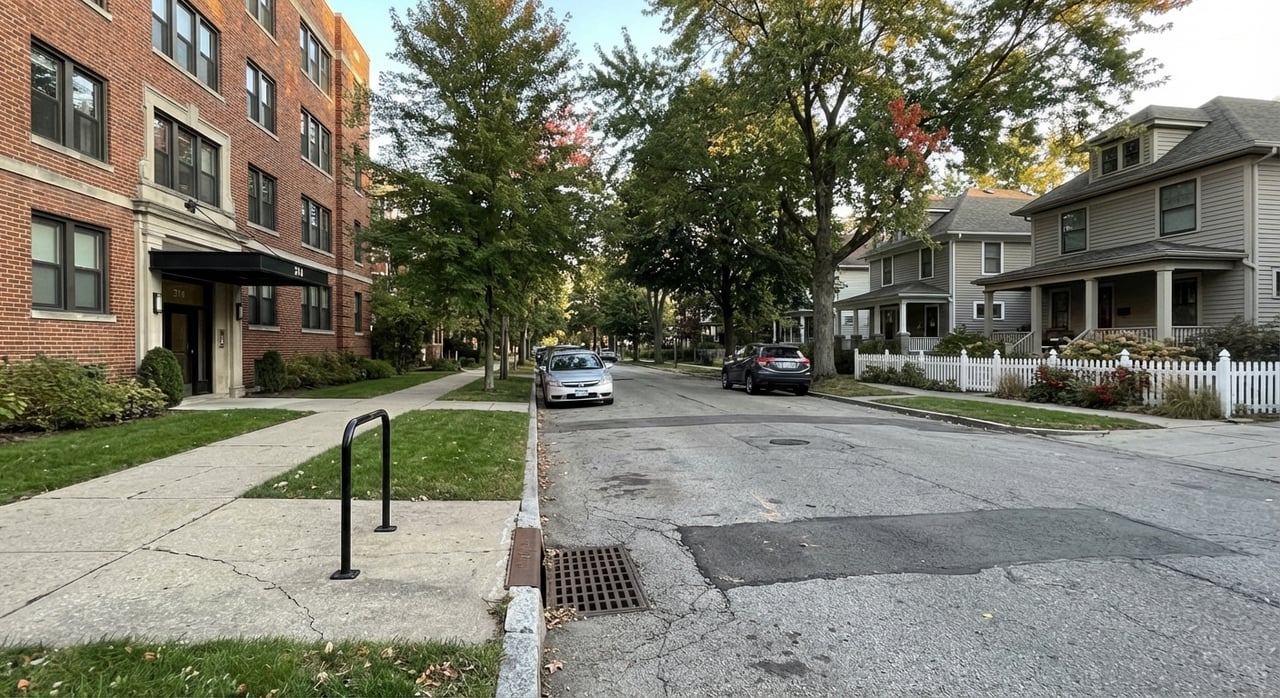
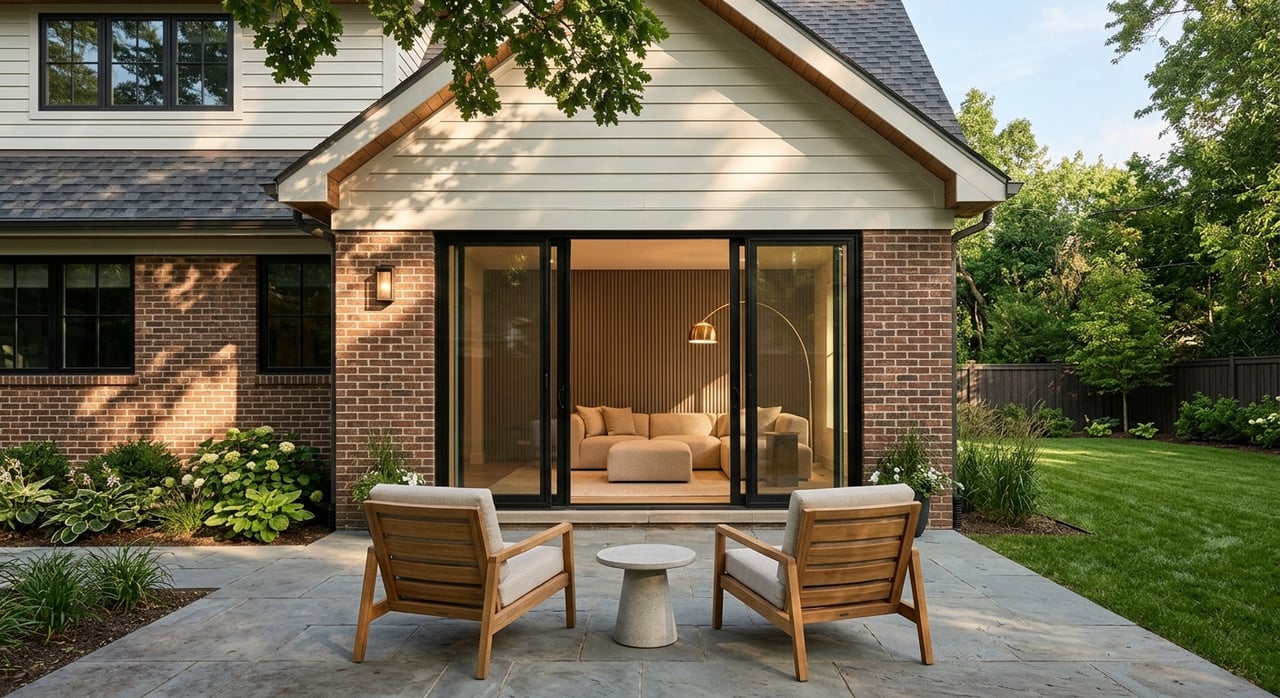
- Choose established neighborhoods if you want more bedrooms, a yard or on-street parking, and a quieter residential setting. Commutes can be longer and walkable errands less consistent.
- Consider close-in character areas like Corktown, Brush Park, or parts of New Center if you want a mix of neighborhood feel and quick access.
What rent buys right now
Detroit’s rental trackers show different numbers because of timing and methodology. Citywide, the February 2026 average sits near $1,314 according to RentCafe’s February 2026 analysis. Apartment List’s February 2025 snapshot reported a median closer to $1,073 using its own sample and methods, as outlined in Apartment List’s Detroit guide.
Downtown pricing runs materially higher. RentCafe’s neighborhood tables put Downtown around $1,807 for February 2026. Other services often show medians in the low $2,000s depending on building mix and date. Building amenities and unit size swing prices, so check current listings for your target blocks. For a sense of inventory and fees, browse RentCafe’s Downtown Detroit data and listings.
Key context for your budget:
- Per-square-foot costs are highest in central high-rises. Studios and one-bedrooms dominate the supply.
- Neighborhood rentals usually deliver more space per dollar, especially in single-family homes and duplexes.
- Commute and parking trade-offs matter as much as base rent. Add those to your monthly plan.
Daily life differences
Walkability and culture
If you want errands and entertainment on foot, Downtown and Midtown provide the most dense cluster of restaurants, venues, parks, and employers. Many central blocks rate as very walkable on Walk Score’s Detroit maps. Campus Martius and the riverfront host frequent events year-round, which is a major plus if you like spontaneous plans after work.
Neighborhoods farther out can feel quieter and more residential. You get more living space and often easier street parking, but you will likely drive more for groceries, dining, and medical appointments. Walkability can vary sharply from block to block, so verify your specific address.
Commute and transit
Detroit remains car-oriented across much of the region. City residents report a mean travel time to work of about 25.4 minutes in recent Census data, as shown in U.S. Census QuickFacts. That said, transit service has improved on key corridors. DDOT expanded routes and fleet in 2024 and 2025, which benefits riders along frequent lines. You can see updates on DDOT’s service expansion page.
The QLINE connects New Center, Midtown, and Downtown along Woodward, which helps if your work and errands sit on that spine. Micromobility options like MoGo fill some first and last mile gaps, although coverage is most robust near central corridors.
Parking realities
Downtown renters often pay extra for parking. Many buildings charge for garage or surface spaces, and municipal garages and meters apply in core areas. Monthly garage passes commonly run in the low hundreds depending on location and demand. For a practical overview of facilities and typical costs, review this Downtown Detroit parking guide. Neighborhood living usually includes free or permit street parking, but always confirm what your lease includes.
Space, unit types, and amenities
Newer central projects tend to emphasize studios and one-bedrooms with robust amenity packages, which raises per-square-foot pricing even if the monthly rent seems similar. Recent reporting notes a trend toward smaller unit sizes in Detroit multifamily, as highlighted by Axios’s coverage of apartment size shifts. If you are optimizing for space, larger two- to four-bedroom homes and duplexes are more available in established neighborhoods.
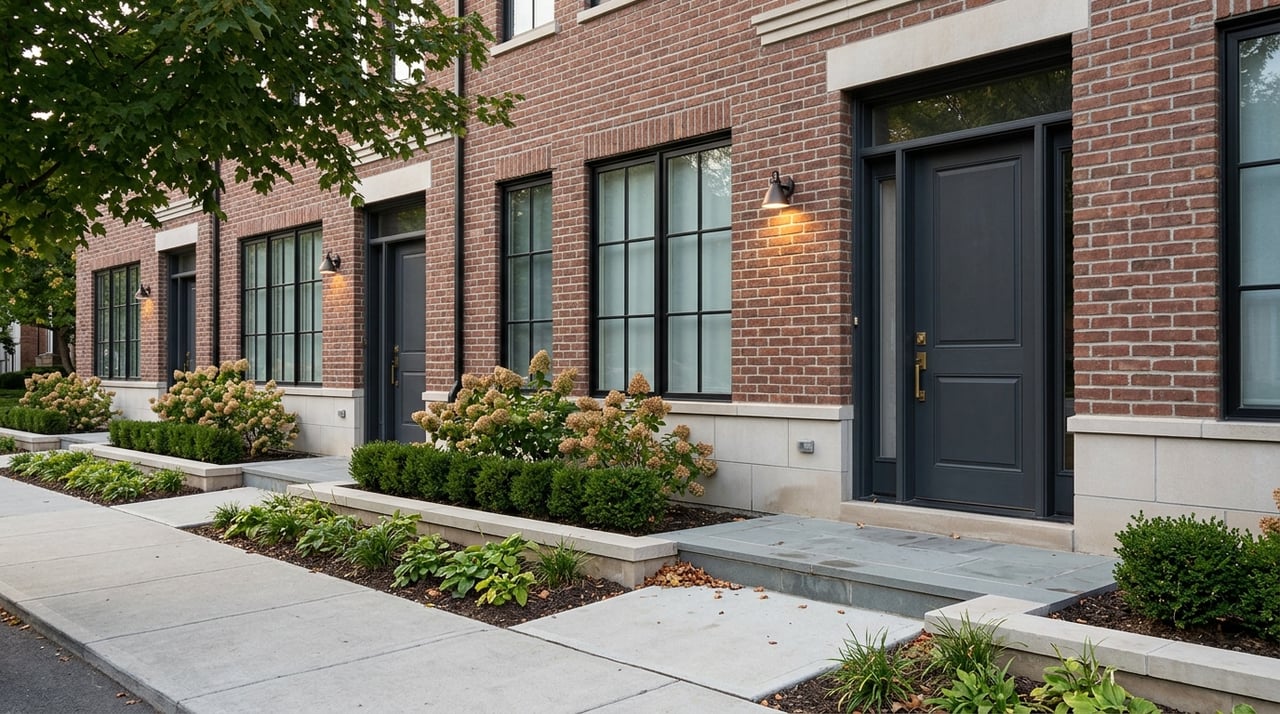
In Midtown and Brush Park, you will see a wider variety of formats, from micro-units and lofts to townhouses in mixed projects. A clear example is Bedrock’s City Modern in Brush Park, which blends restored historic homes with new mid-rise product. Explore the range on Bedrock’s City Modern page.
Cost checklist beyond rent
Before you sign, add these to your monthly plan:
- Parking: building spaces or nearby garages if not included.
- Utilities: older buildings may have higher heating costs. Ask about average bills.
- Insurance: renters insurance is usually required.
- Pet fees: deposits and monthly pet rent if applicable.
- Amenity fees: gyms, rooftops, or concierge-style services in newer buildings often carry premiums.
Neighborhood snapshots
Downtown and Riverfront
- Who it fits: renters who want short walks to offices, events, and the riverwalk.
- What to expect: high-rise apartments and historic tower conversions, premium amenities, and higher rents for one-bedrooms. Parking is usually an extra line item.
- Tip: compare total monthly costs, including parking and fees, across buildings on the same block.
Midtown and New Center
- Who it fits: students, healthcare staff, and professionals who prioritize culture and short commutes along Woodward.
- What to expect: a mix of historic lofts, purpose-built student and professional housing, and some income-restricted options in the pipeline. Demand is tied to Wayne State and nearby medical employers.
- Tip: proximity to QLINE stops can trim commute time within the corridor.
Corktown and Brush Park
- Who it fits: renters who want neighborhood character close to Downtown without always paying the top central premiums.
- What to expect: renovated historic homes, boutique condos, and mid-rise infill. Rents vary by block, with popular restaurant and nightlife hubs drawing higher numbers.
- Tip: focus on a few cross streets and watch listing history to learn true market pace.
Eastern Market and Southwest Detroit
- Who it fits: renters who value a strong neighborhood identity and local food and retail.
- What to expect: some blocks with lower average rents alongside active investment on key corridors. Affordable projects are part of local planning in several areas.
- Tip: compare commute times to your workplace and verify transit frequency on your route.
Established residential areas
- Who it fits: households that want more bedrooms, a yard, and a quieter setting.
- What to expect: single-family homes and duplexes in places like Indian Village, Palmer Woods, and Rosedale Park. Walkability and transit access vary by block, so check your exact address on Walk Score.
- Tip: confirm storage, basement condition, and parking rules. These homes can offer a lot of space per dollar.
Nearby suburbs: Dearborn, Livonia, Ferndale, Royal Oak
- Who it fits: renters who prioritize single-family stock, townhomes, and specific school and commute preferences.
- What to expect: medians vary by suburb and can be above or below Detroit’s average depending on the area, as shown in RentCafe’s metro tables. Factor in commute routes and parking norms.
- Tip: if your job is outside the city, a suburb near your workplace can save time even if rent is higher.
Who should choose what
- Pick Downtown or Midtown if you want to walk to work and events, rely on the QLINE and frequent bus corridors, and prefer amenities over square footage. Expect higher rents around $1,800 to $2,300 for many one-bedrooms depending on building and timing.
- Pick established neighborhoods if you want three or more bedrooms, a yard, and flexibility for pets or storage. Your rent per bedroom is usually lower than central high-rises.
- Pick Corktown, Brush Park, or parts of New Center if you want a balance of character and convenience. Prices can approach Downtown levels in popular pockets, but the trade-offs can still pencil for lifestyle.
Market signals to watch
- Unit mix is shifting toward studios and one-bedrooms in central projects, which can push per-square-foot pricing higher even when monthly rents are steady. See Axios’s report on smaller apartments.
- Major investment continues in Downtown, Midtown, and Brush Park. New mixed-use and adaptive reuse projects, such as City Modern in Brush Park, help stabilize demand.
- Safety trends show improvement in recent citywide violent crime figures, with a reported decline in 2024. Review the latest context via Force Detroit’s summary of FBI data, and always check block-level data for your target address.
- Transit service changes matter. Keep an eye on DDOT updates if you rely on buses or the QLINE.
How to pick your fit in 15 minutes
- Map your routine. Pin your workplace, gym, grocery, and favorite weekend spots.
- Set a total monthly cap. Include parking, utilities, pet fees, and insurance.
- Pick your top two priorities. For example, walkability and commute, or space and parking.
- Shortlist three neighborhoods. Choose one central, one close-in, and one farther-out option.
- Check real-time listings. Compare price, size, included parking, and amenity fees for each area.
- Ride or drive the commute once. Test it at your usual hours.
- Walk the block in daylight and evening. Verify lighting, sidewalks, and basic services.
- Decide with facts. Choose the area that meets your top two priorities within budget.
Ready to compare buildings and blocks with local insight on fees, parking, and transit trade-offs? Connect with Michael Stroud & Nikki Snyder to line up options that match your lifestyle and budget.
FAQs
What are typical Detroit rents right now?
- Trackers differ by method. February 2026 averages were about $1,314 citywide per RentCafe, while Apartment List’s February 2025 median was near $1,073. Downtown often runs $1,800 to low $2,000s depending on buildings.
Is Downtown Detroit walkable for daily errands?
- Many Downtown and Midtown blocks are rated very walkable on Walk Score, with close access to restaurants, employers, and parks. Verify the exact address to confirm nearby services.
How much should I budget for Downtown parking?
- Many buildings charge separately for parking. Monthly garage passes commonly fall in the low hundreds, and street or event demand can affect rates. Confirm costs with your building and nearby facilities.
Does transit meaningfully reduce commute times?
- It can if you live and work on core corridors. DDOT service has expanded and the QLINE connects New Center to Downtown, which helps for Woodward corridor trips. Outside these areas, many residents still drive.
Where can I find more space for the money?
- Established residential neighborhoods and some suburbs often provide larger two- to four-bedroom homes with lower rent per bedroom than Downtown high-rises. Confirm commute times and parking availability.
Are there new affordable options in Midtown?
- Yes. Recent announcements and starts include income-restricted projects, with ongoing activity reported in local coverage. Check current program eligibility and waitlists for details.