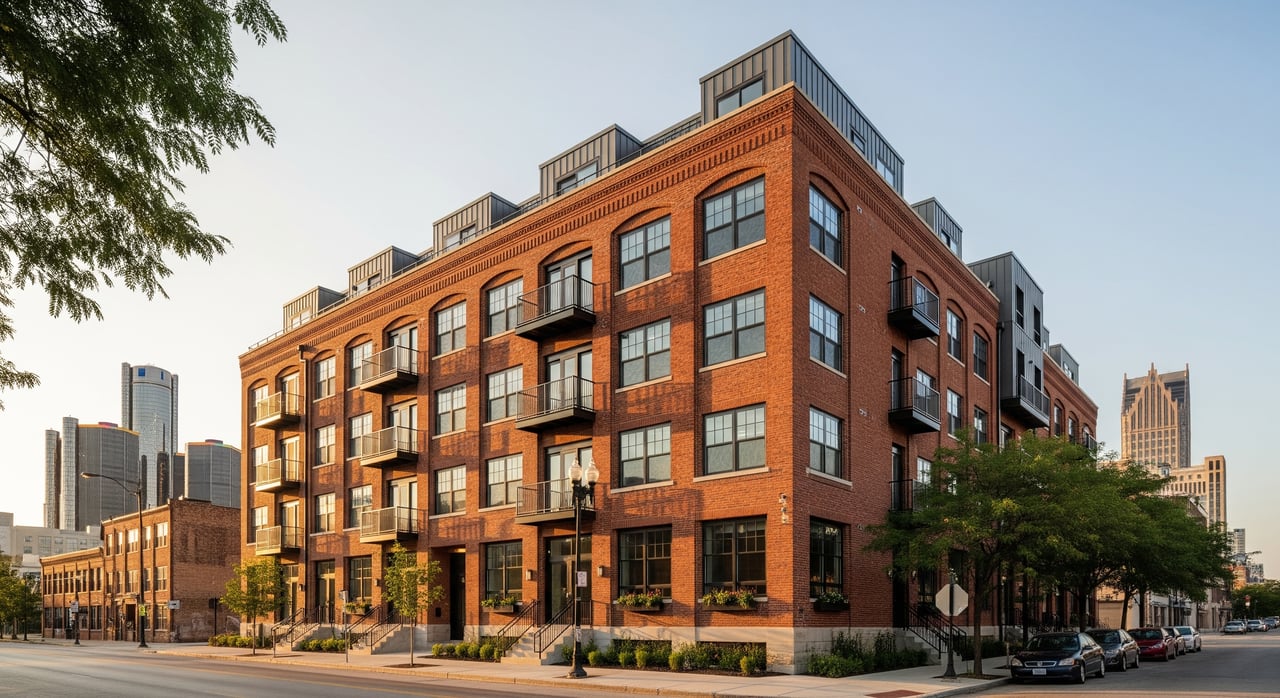
Detroit Rental Neighborhoods With Resilient Demand
February 5, 2026
February 5, 2026
Are you looking for Detroit rentals that stay leased and cash flow through cycles? You are not alone. Investors across Wayne County and the Detroit–Dearborn–Livonia MSA are hunting for neighborhoods with reliable renter pools and clear growth stories. This guide shows you where demand clusters, why it holds up, and how to evaluate blocks so you can buy with discipline. Let’s dive in.
Detroit’s strongest renter demand concentrates around large employment anchors and walkable amenity nodes. Universities and medical systems generate steady need for small units, roommates, and furnished options. Downtown offices, entertainment, and hospitality add a stream of professional renters who want short commutes.
Auto and manufacturing networks near Corktown, New Center, and the southwest industrial corridors support demand from workers who prefer nearby housing. Ongoing redevelopment and adaptive reuse pull in new amenities and upgraded housing, which can lift rents in immediate areas. Transit access and walkable blocks reduce vacancy risk for renters who value proximity.
Midtown sits at the center of Wayne State University, research facilities, and major hospitals. Housing ranges from historic rowhouses to low-rise apartments and newer infill. You typically attract students, grad students, medical staff, and young professionals who want short commutes.
Pros include stable institutional demand, strong daytime population, and transit options that support quick leasing, especially for studios and one-bedrooms. Watch for competition from newer apartments and purpose-built student housing. For rehabs, expect tenants to prioritize modern interiors, clean finishes, and functional layouts.
Downtown has a concentration of market-rate apartments, restaurants, sports venues, and offices. The renter base includes young professionals, corporate transferees, hospitality and entertainment workers, and some long-term residents. Demand skews toward well-located apartments with walkable amenities.
Pros include a strong amenity pull and limited single-family options, which support multifamily demand. Newer buildings can set pricing and compress rents on older product. Historic conversions are common, so factor in building code compliance, common-area upgrades, and potential elevator or life-safety work in multi-unit assets.
These neighborhoods form a sought-after corridor near Downtown and Midtown with visible redevelopment and adaptive reuse. Housing options include single-family homes, rowhouses, and brownstone-style buildings. Tenant profiles often include young professionals, startup and tech employees, creatives, and service workers.
Pros are clear: proximity to job nodes, walkable pockets, and growing amenities. Gentrification pressure can raise acquisition costs, and historic-district rules may guide exterior scopes. If you execute well, after-repair value potential often improves with each nearby retail opening or completed renovation.
This corridor includes institutional offices and landmarks with a mix of older single-family and multifamily homes. You can serve office workers, public sector employees, and households looking for stable blocks. Entry pricing can be more attainable than Midtown or Downtown.
The catch is that these neighborhoods are heterogeneous. Careful block-by-block selection matters for both rentability and exit values. Expect older structures to need mechanical upgrades and consider lot sizes if you are exploring duplex or triplex conversions where allowed.
Southwest Detroit offers dense, active communities with strong local business corridors and proximity to industrial employment. Renters often include families, industrial and service workers, and long-term tenants. Functional, well-maintained units can see consistent occupancy.
Pros include dependable demand for affordable rentals and resilient neighborhood retail. There are fewer large market-rate developments, so you will want to evaluate parking, turnover patterns, and code compliance carefully. ARV ceilings can sit below Midtown or Downtown, but cash flow can be attractive with the right basis and management plan.
Hamtramck is a separate city with high-density small-lot housing and mixed-use corridors. The renter base skews toward small households, apartment sharers, and service-industry employees. Walkability and dense rental stock support high occupancy for smaller units.
Confirm permitting processes, taxes, and code requirements since municipal rules differ from Detroit. Many buildings are smaller multi-unit assets where fire-safety upgrades and code compliance are common rehab line items. With tight management and right-size renovations, turnover can be manageable.
Focus your evaluation on facts you can verify for each target block and property type. Key items include:
Use a consistent research workflow before you offer:
Detroit offers a range of product types that align with different strategies. Single-family homes can serve family renters and provide stable cash flow with the right block and condition. Small multifamily, like duplexes and triplexes, often provide efficient BRRR math through multiple rent streams and better financing options.
For financing, investors commonly use conventional loans, portfolio lenders, FHA options for 1 to 4 units, and private or hard money for acquisition and rehab. Confirm lender rules, reserve requirements, and seasoning when planning a refinance. Line up insurance and appraisal expectations early to reduce delays.
Rehab planning should reflect older building realities. Masonry, roofing, HVAC, electrical, and potential abatement can shape your budget. Build in contingency days for permitting and allow extra time if historic work is involved.
Turnover profiles vary by submarket. Midtown and Downtown units that attract students or short-tenure professionals can cycle faster, which requires proactive leasing. Family rentals in Southwest Detroit may hold tenants longer with reliable management and maintenance.
Operating risks are manageable with a disciplined approach. Evaluate block-level conditions at different times of day. Underwrite the potential impact of reassessments or changes to incentive phases on your tax line. Get firm insurance quotes in advance, especially for older structures.
Use this short list to compare Detroit submarkets cited for resilient demand:
Start by selecting three to five target blocks within the neighborhoods above. Drive those blocks at multiple times, talk with nearby owners, and confirm data against actual leasing activity. Keep your underwriting conservative, assume realistic rehab contingency, and plan an exit or refinance path that does not depend on aggressive rent growth.
If you want help verifying numbers, sourcing off-market opportunities, or shaping a BRRR plan that fits your goals, connect with Michael Stroud & Nikki Snyder. Schedule a consultation and get a block-by-block strategy that aligns with your timeline and return targets.
Stay up to date on the latest real estate trends.


We pride ourselves in providing personalized solutions that bring our clients closer to their dream properties and enhance their long-term wealth.