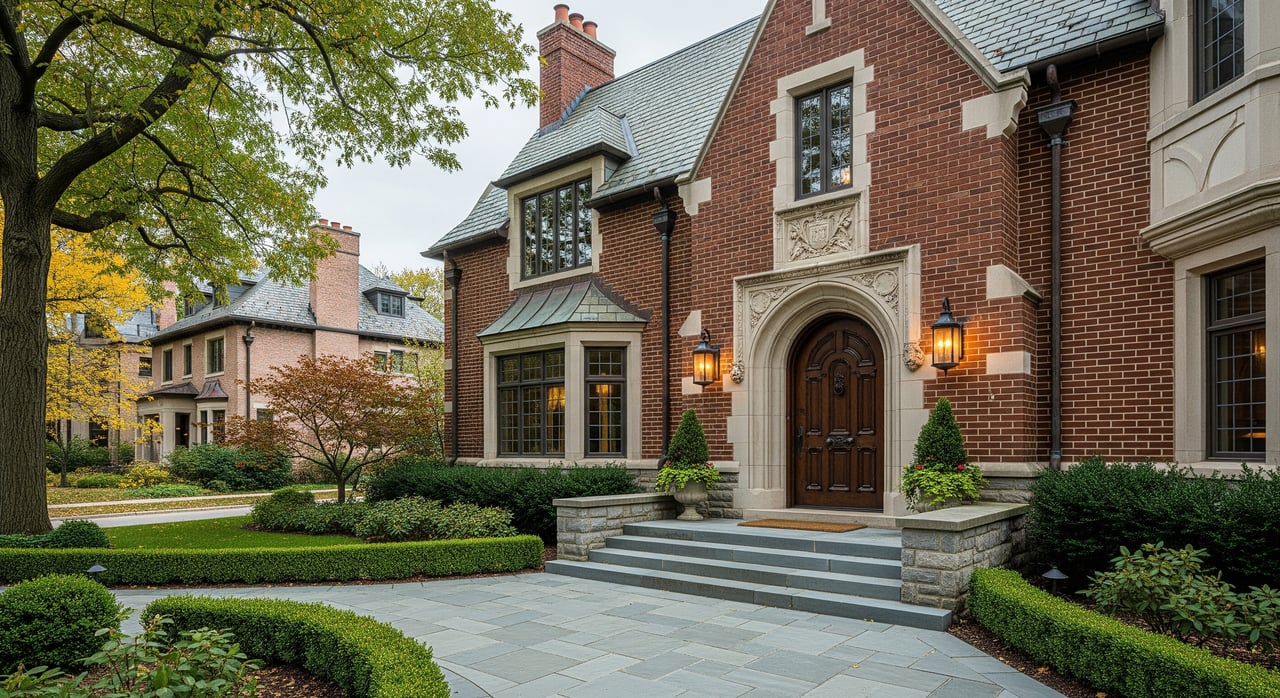
Understand Your Birmingham MI Homebuyer Closing Costs
December 18, 2025
December 18, 2025
What will you actually need to bring to the closing table in Birmingham? If you are like most buyers, the answer feels fuzzy until the last week. You should not have to guess. In this guide, you will learn what closing costs include, how much to budget, Oakland County specifics, and a simple way to estimate your cash to close. Let’s dive in.
Closing costs are the fees, taxes, and prepaids you pay to complete a home purchase, separate from the price of the home. They cover lender charges, third‑party services like title and appraisal, government fees, and prorations for items like property taxes or HOA dues.
As a buyer, a good planning range is 2% to 5% of the purchase price. Cash purchases or simple files fall near the low end. Loans with points, mortgage insurance, or larger prepaids land higher. For context, sellers often spend about 6% to 10% of the sale price, with agent commissions being the largest share.
Your lender may charge application, processing, and underwriting fees. Origination can run about 0.5% to 1.5% of the loan amount. You can also choose discount points to lower your rate, which are optional and priced as a percentage of the loan.
Most loans require an appraisal. Plan roughly $400 to $800. Credit report fees are modest by comparison.
Inspections are usually your responsibility. General home inspections often range from $300 to $700. You may add pest or radon inspections if needed.
Expect fees for title search and title insurance. If you finance, your lender requires a lender’s title policy. An owner’s title policy protects you and may be paid by the seller or buyer based on local custom. Closing or escrow fees cover the settlement services. Recording fees for the deed and mortgage are set by Oakland County and add a small fixed amount.
Typical combined title and closing fees often total $300 to $1,000, plus the title insurance premium that scales with price. Recording fees usually run tens to a few hundred dollars.
You will prepay your first year of homeowner’s insurance at closing. You also fund an escrow account for future taxes and insurance, often equal to 2 to 6 months of the tax and insurance portions. Prepaid mortgage interest covers the days from closing to your first payment.
If the home has an association, there may be transfer or estoppel fees and prorated dues. Other small items can include survey (if required), wire, or courier fees.
Use this simple method to build a working estimate for an Oakland County purchase:
Example for illustration: If you buy at $500,000, a 3% estimate for buyer fees is $15,000. Prepaids of about $3,000 bring subtotal costs to $18,000. If you already paid $5,000 in earnest money, your estimated cash to close is about $13,000.
Quick worksheet you can copy into your notes:
Recording fees are set by Oakland County and vary by document type. They are a modest part of closing costs. Michigan assesses real estate transfer taxes. Exact rates and who pays can vary by transaction, so confirm using the Michigan Department of Treasury and your title company.
At closing, taxes are prorated between you and the seller based on the closing date and the local tax calendar. Some municipalities bill on different cycles, which affects how much you prepay and how much the seller is credited. Check the Oakland County Treasurer for timing and to understand summer/winter bill structures in your city.
In many U.S. markets, sellers purchase the owner’s title policy, but customs can vary by county and even by deal. Ask your agent or title company what is typical in Birmingham. You can also consult Michigan REALTORS for general guidance on customary allocations.
Sellers usually pay the real estate commission, which commonly totals about 5% to 6% of the sale price. Other seller costs can include an owner’s title policy if customary, recording or payoff fees, agreed repairs, or a buyer credit. In total, sellers often plan for about 6% to 10% of the sale price. Knowing this can help you structure requests for concessions when appropriate.
You deserve clear numbers and a calm, on‑time closing. If you want local guidance on costs, proration, and negotiation strategy tailored to Birmingham and greater Oakland County, connect with Michael Stroud & Nikki Snyder. Schedule a consultation at Michael Stroud & Nikki Snyder.
Helpful resources: CFPB guidance on Loan Estimates and Closing Disclosures; Oakland County Register of Deeds; Oakland County Treasurer; Michigan Department of Treasury; Michigan REALTORS.
Stay up to date on the latest real estate trends.




We pride ourselves in providing personalized solutions that bring our clients closer to their dream properties and enhance their long-term wealth.